
Puster Valley Cycle Route
The green valley of South Tyrol
Enjoy the stunning natural scenery and fresh mountain air along the Puster Valley Cycle Route.
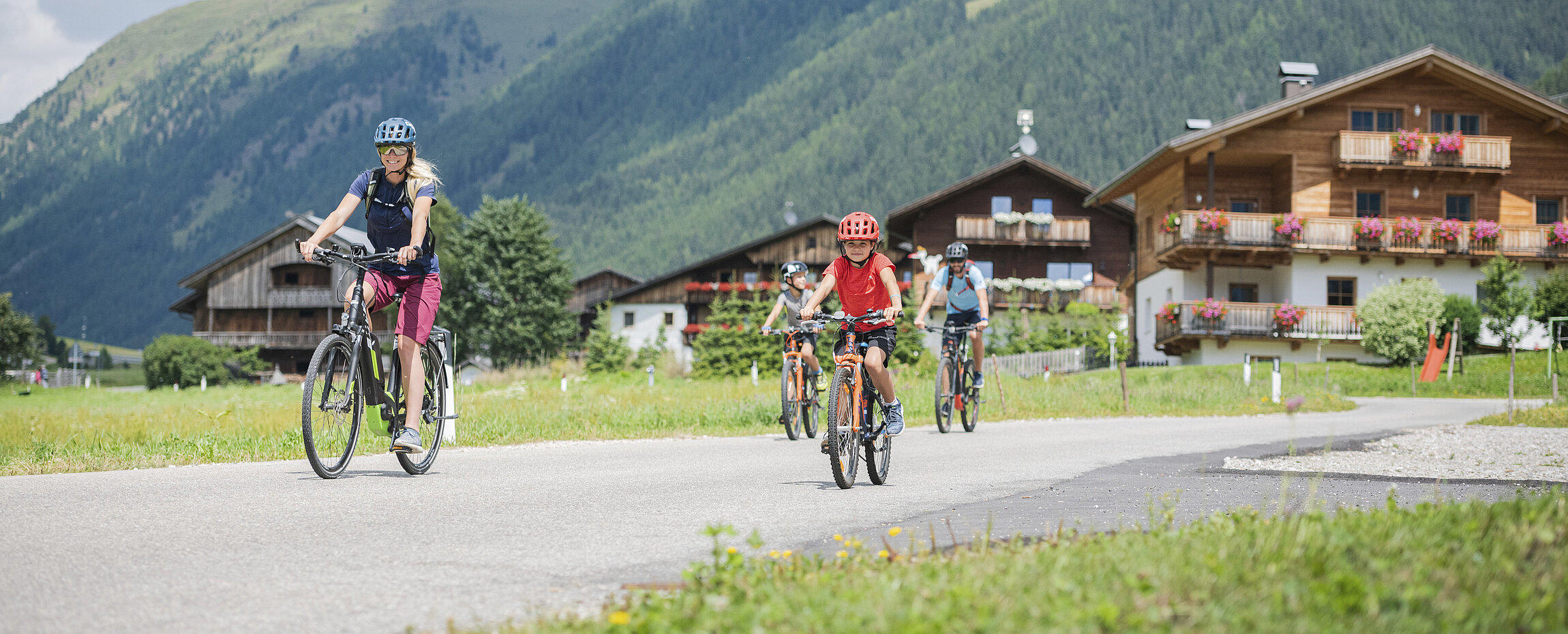
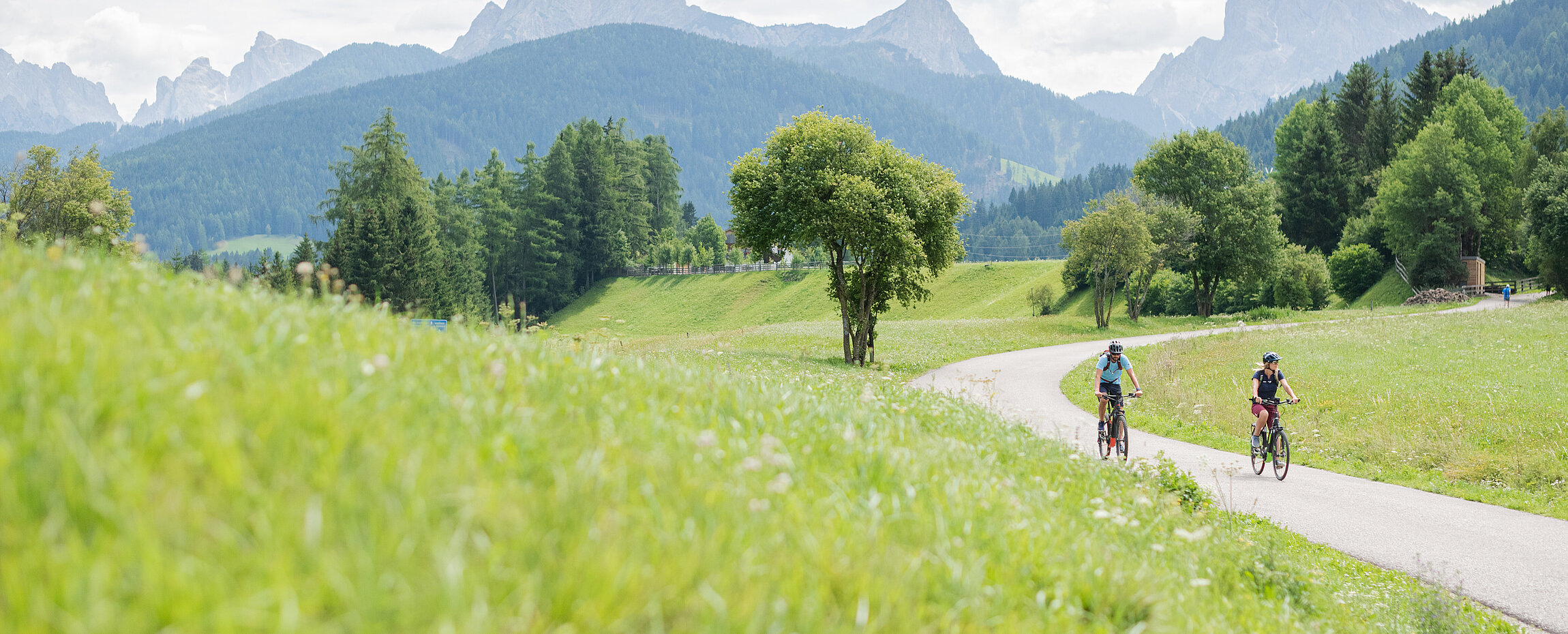
The Puster Valley Cycle Route, also known as the Ciclabile della Pusteria, is one of the most popular cycle routes in South Tyrol, Italy. This picturesque route runs along the Puster Valley in the Dolomites and takes you through breathtaking alpine scenery, past charming villages, historic towns and places of interest.
The cycle route stretches from Mühlbach to Lienz in East Tyrol and follows the River Rienz. It has a total length of 105 km and is mostly tarmac-surfaced. With its modest elevation gain of 500 m, it is particularly suitable for beginners and families with children.
The Puster Valley is a wonderful destination for anyone who loves cycling and wants to experience the beauty of the South Tyrolean Alps. It’s also a fantastic way to explore the region and its culture at a slower, more authentic pace.
➡ Click HERE for the most popular sights ⬅
Top sights along the Puster Valley Cycle Route

THE CATHEDRAL AND THE HOFBURG
in Brixen
Brixen Cathedral is one of South Tyrol’s most significant religious buildings and impresses with its Romanesque architecture. It dates back to the 13th century and houses valuable works of art such as the famous altarpiece by Michael Pacher. Right next to it stands the historic Hofburg, once the residence of the Prince-Bishops of Brixen. The Hofburg combines various architectural styles and reflects the region’s eventful history. Today it houses the Diocesan Museum, which contains numerous religious art treasures. Together, the cathedral and the Hofburg form a cultural centre of great significance. A visit offers fascinating insights into the history and culture of Brixen.
NEUSTIFT MONASTERY COMPLEX
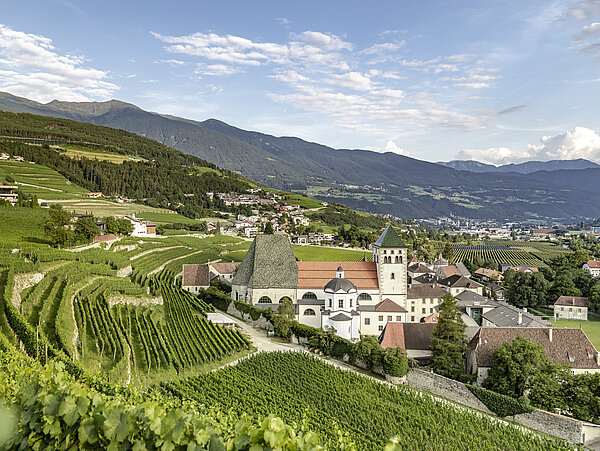
The Neustift Monastery Complex is one of the largest and most significant monasteries in the Alpine region. It was founded in the 12th century and remains a vibrant hub of community life to this day. The monastery uniquely combines religion, culture, education and business. Neustift is particularly well known for its high-quality wines and regional produce. In the abbey cellar, visitors can sample juices, teas, fine spirits and wines. The complex is regarded as a place of spiritual energy and attracts pilgrims and culture enthusiasts alike. A visit combines spiritual experiences with culinary delights.
FRANZENSFESTE FORTRESS
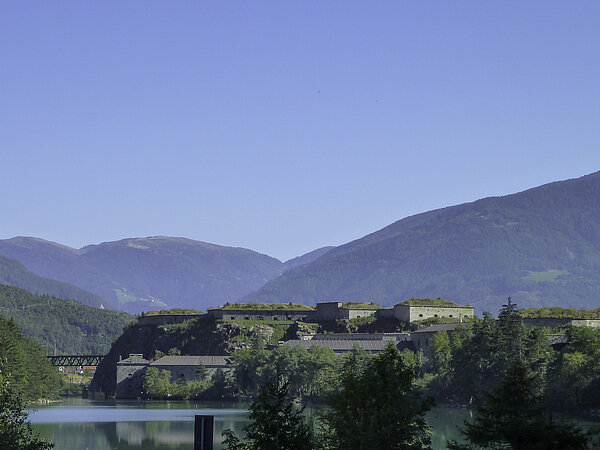
Franzensfeste Fortress is one of South Tyrol’s largest historic sites. It covers an area equivalent to around nine football pitches and is truly impressive in scale. The fortress was built in the 19th century and has been preserved almost entirely in its original state to this day. Today, it serves as a major venue for exhibitions and cultural events. Since the 2008 Art Biennale, it has developed into an important cultural centre. The complex embodies exchange, history and contemporary art. A visit offers an exciting blend of architecture, history and culture.
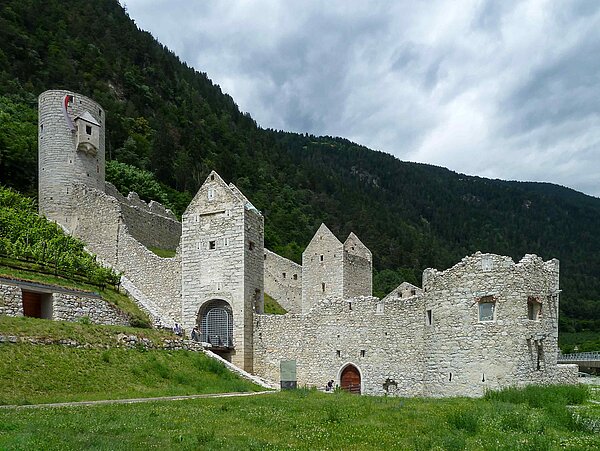
MEDIEVAL FORTRESS
Mühlbach
The Mühlbach Klause is an impressive 13th-century fortress. It once served to protect against enemy attacks and secure important trade routes. The complex remains well-preserved to this day and offers an authentic glimpse into the past. Massive walls and historic construction methods bear witness to medieval defensive architecture. Today, the Klause is a major landmark of the region. It attracts history buffs and culture enthusiasts alike. A visit is well worth it for anyone wishing to immerse themselves in the history of South Tyrol.
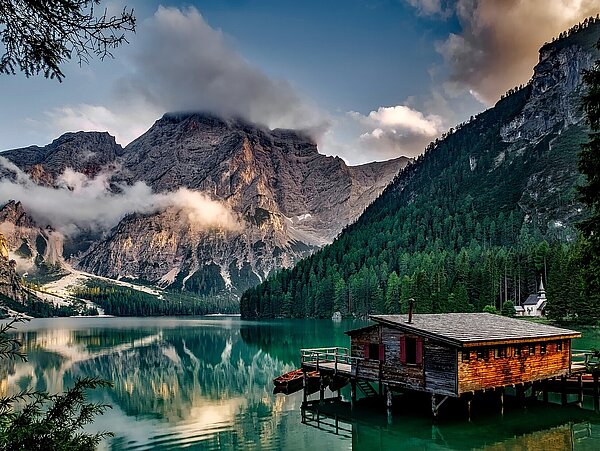
THE JEWEL OF THE DOLOMITE LAKES
in the Upper Puster Valley
Lake Pragser Wildsee, also known as the “Pearl of the Dolomite Lakes”, is the largest natural lake in the Dolomites. It plays a particularly significant role in South Tyrolean folklore. Legend has it that one could reach the underground realms of Fanes by boat. The buried gateway to the underworld is said to have been situated at the southern end of the lake, towards the Seekofel, where today the imposing Seekofel (2,810 m above sea level) towers over Lake Pragser Wildsee. On a boat trip in one of the nostalgic rowing boats, you can relax and unwind amidst the picturesque scenery.
View of the Puster Valley
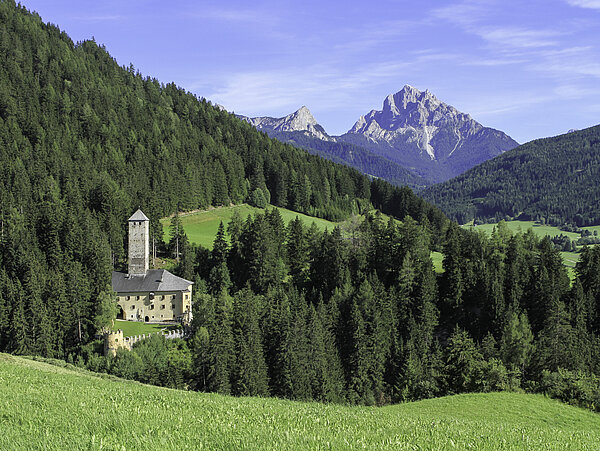
WELSPERG CASTLE
in Olang
Welsperg Castle is one of the oldest castle complexes in the Puster Valley and dates back to the 12th century. This imposing fortress once served as a defensive structure and a seat of power. Today, the castle is an important piece of cultural heritage and is open to the public. Visitors can explore the historic rooms and the impressive architecture. In summer, concerts, exhibitions and events are held here regularly. The complex combines history with vibrant culture. A visit offers a varied experience for those interested in culture and history.
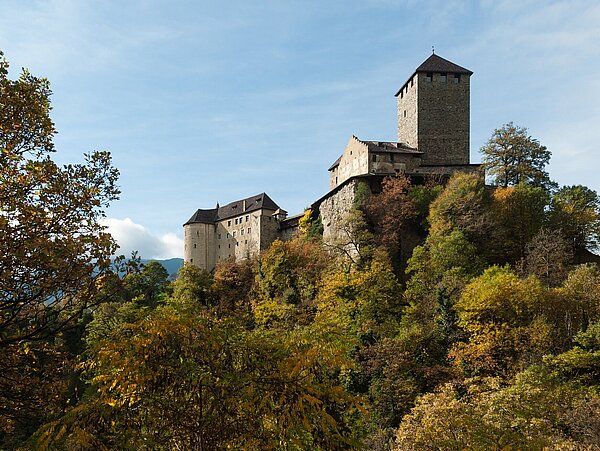
SIGMUNDSKRON CASTLE
with the Reinhold Messner Museum
Lake Pragser Wildsee is regarded as one of the most beautiful lakes in the Dolomites. Its emerald-green waters and the surrounding mountain scenery create a unique panorama. The lake is closely linked to South Tyrolean folklore and is steeped in mystical tales. According to one legend, this was the gateway to the legendary realm of Fanes. Today, the lake is the perfect spot for leisurely walks and unforgettable experiences of nature. A boat trip on the lake offers particularly impressive views. Lake Pragser Wildsee is an absolute highlight of any cycling tour in the Puster Valley.
DREI ZINNEN NATURE PARK CENTRE
in Dobbiaco
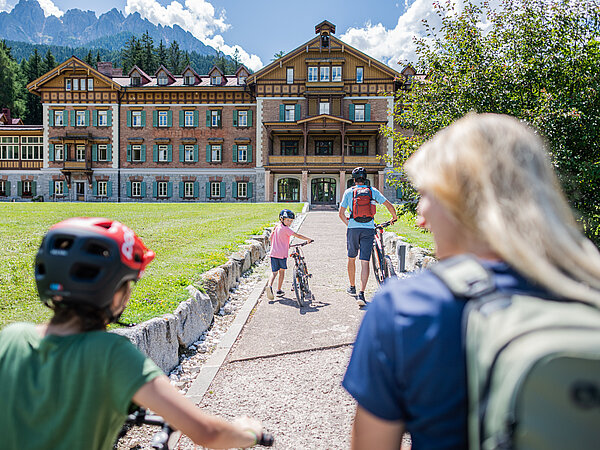
The Drei Zinnen Nature Park Centre is an exciting information and visitor centre. It offers insights into the natural and cultural landscape of the Dolomites. The history of tourism and the events of the First World War are also explored. There are interactive stations and a hands-on workshop, particularly for children. An aquarium and a nature trail add variety to the visit. Here, knowledge is conveyed in a playful and vivid way. The Nature Park Centre is an ideal destination for families and nature lovers.