Cycling Holidays along the Danube
Europe's 1st long-distance cycle route
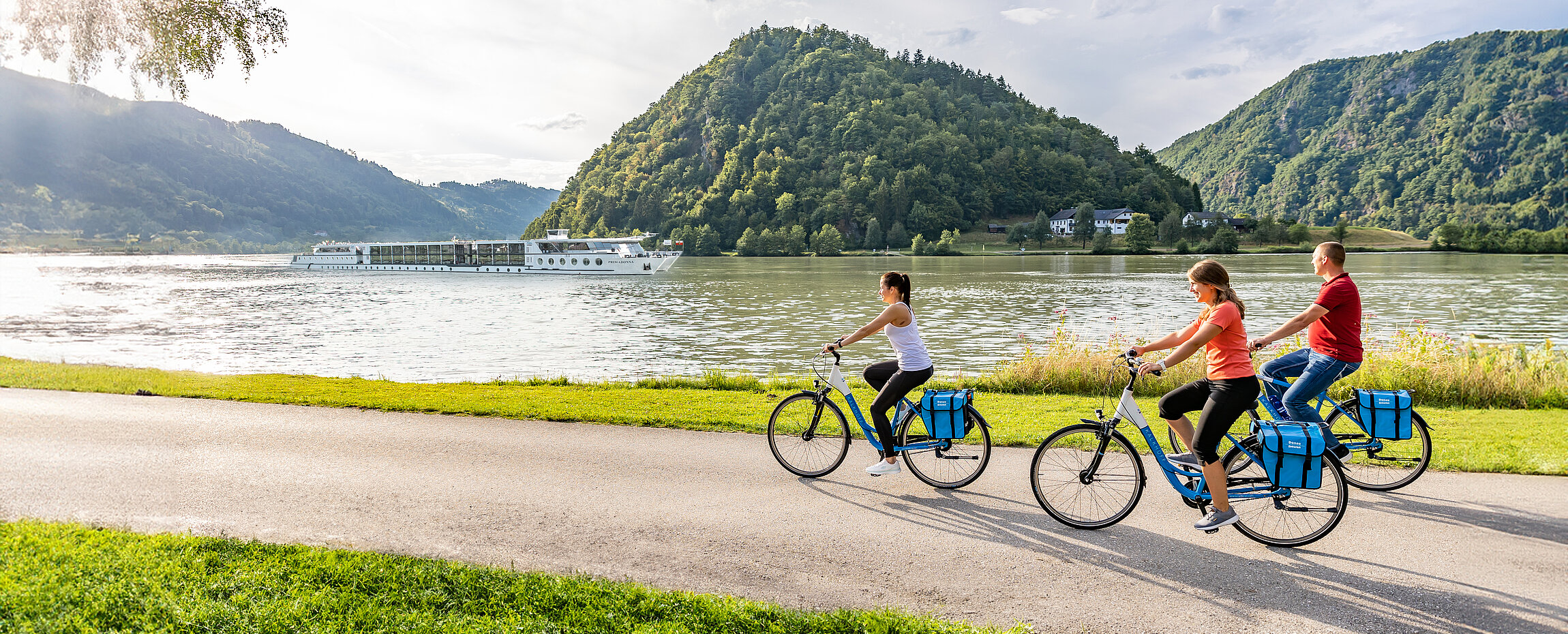
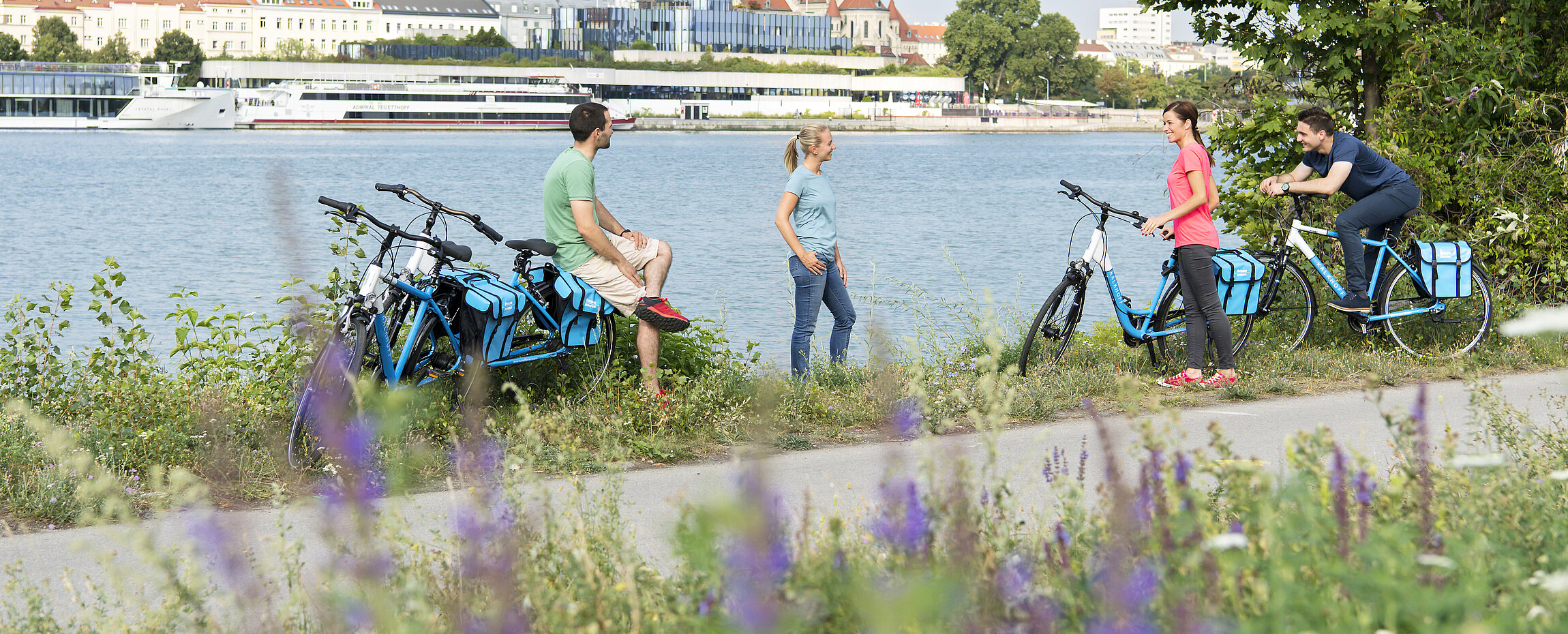
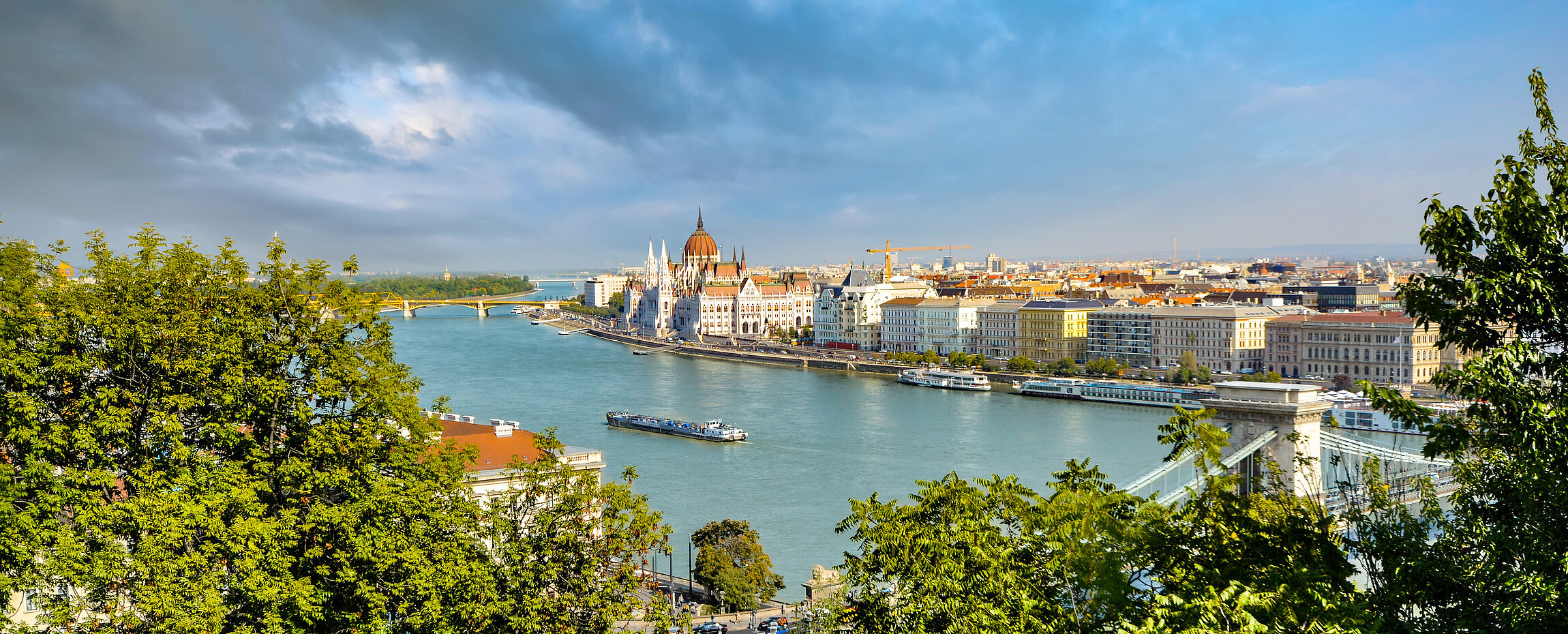
The Danube Cycle Path is one of the most popular long-distance cycling routes in Europe, stretching from the source of the Danube in Donaueschingen all the way to the Black Sea. The section from Passau via Vienna to Budapest is especially well known, attracting countless cyclists each year and regularly ranked among the most popular routes by the ADFC. The mostly flat and traffic-free path leads through stunning landscapes such as the Schlögener Schlinge, the Wachau Valley and the vast Pannonian Plain. Along the route, cultural highlights include Passau, Linz, Vienna, Melk Abbey, Győr and Budapest. In addition to nature and culture, the Danube Cycle Path also delights with culinary specialties – from Wachau wines and Viennese cuisine to Hungarian goulash. A cycling holiday along the Danube uniquely combines scenery, culture and enjoyment.
➡ HERE are the most popular sights ⬅
➡ HERE you can find day bike hire along the Danube in Passau and Linz ⬅
TOP sights on the Danube
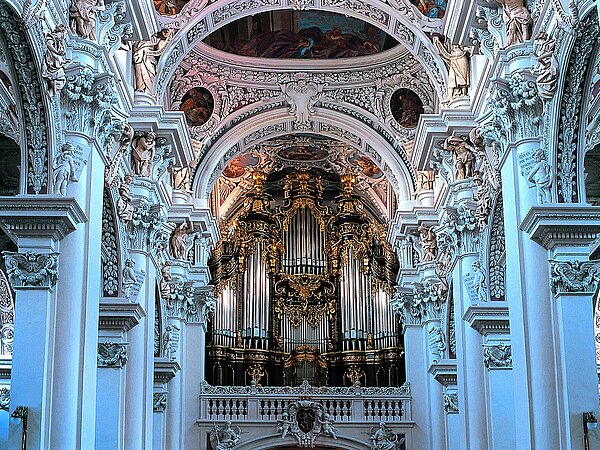
DOM ST. STEPHAN
Passau
St. Stephen’s Cathedral in Passau is one of the most important Baroque churches in Europe and a major highlight along the Danube Cycle Path. With its magnificent architecture, it is considered the largest Baroque church north of the Alps. Particularly impressive is the world-famous cathedral organ with 17,974 pipes, making it the largest cathedral organ in the world. The cathedral stands on the highest point of Passau’s Old Town between the Danube and Inn rivers. Visitors can admire the ornate frescoes, the magnificent high altar, and the unique atmosphere of the cathedral. For cyclists on the Danube Cycle Path, the cathedral is a cultural highlight in the “City of Three Rivers.”
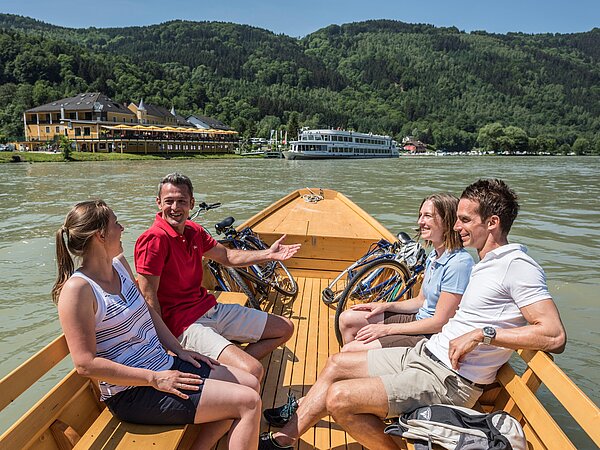
BARGE TRIP ON THE DANUBE
A Zille boat ride on the Danube is a special nature experience along the Danube Cycle Path. At the Witti Zille rental in Freizell, visitors can become their own captain and explore the Danube in a traditional flat-bottomed wooden boat. Between the power plants of Jochenstein and Aschach, a scenic stretch of about 35 kilometers awaits with spectacular natural landscapes. One of the most impressive sights is the famous Schlögener Loop, where the Danube forms a dramatic river bend. Along the way, you will discover castles, ruins, gravel beaches, and picturesque villages. No boating license is required for the trip – a short introduction is sufficient.
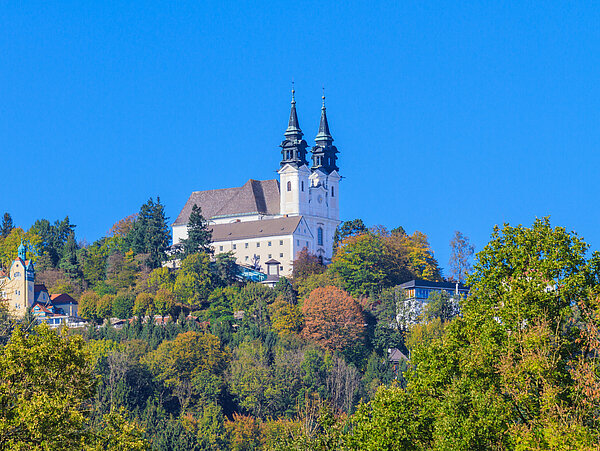
PÖSTLINGBERG & BASILICA
Linz
The Pöstlingberg in Linz, rising 539 meters, is the city’s local mountain and a popular excursion destination along the Danube Cycle Path. At the summit stands the impressive Pöstlingberg Pilgrimage Basilica, whose twin towers are one of Linz’s most recognizable landmarks. The Baroque church was completed in 1748 and attracts visitors throughout the year. Another highlight is the Pöstlingberg Railway, one of the steepest adhesion railways in Europe. It connects Linz’s main square directly with the summit. From the top, visitors can enjoy a spectacular panoramic view over Linz and the Danube Valley.

LINZER TORTE
"What are all poets' words against a Linzer Torte!"
(Ernst von Wildenbruch)
The Linzer Torte is the most famous culinary specialty of the city of Linz and is considered the oldest known cake in the world. It was first mentioned in a cookbook in 1696, making it one of Europe’s most historic desserts. The cake is recognizable by its distinctive lattice pattern made of pastry strips on top. It is traditionally filled with red currant or raspberry jam and flavored with aromatic spices. Although the Linzer Torte is known worldwide today, it tastes best in its hometown of Linz. For cyclists along the Danube Cycle Path, enjoying a slice of Linzer Torte is simply part of the experience.
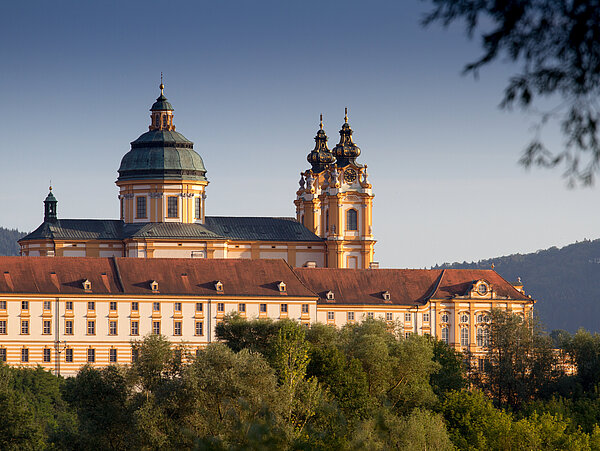
MELK FOUNDATION
Melk Abbey is one of the most famous landmarks of the Wachau Valley and part of the UNESCO World Heritage Site “Wachau Cultural Landscape.” The impressive Benedictine monastery towers high above the Danube and captivates visitors with its magnificent Baroque architecture. Guided tours allow visitors to explore historic rooms such as the Marble Hall, the Imperial Corridor, and the famous monastery library. The stunning abbey church with its elaborate frescoes and magnificent high altar is particularly impressive. From the terrace balcony, visitors enjoy a spectacular view of the Danube Valley. Melk Abbey is one of the cultural highlights of any Danube cycling tour.
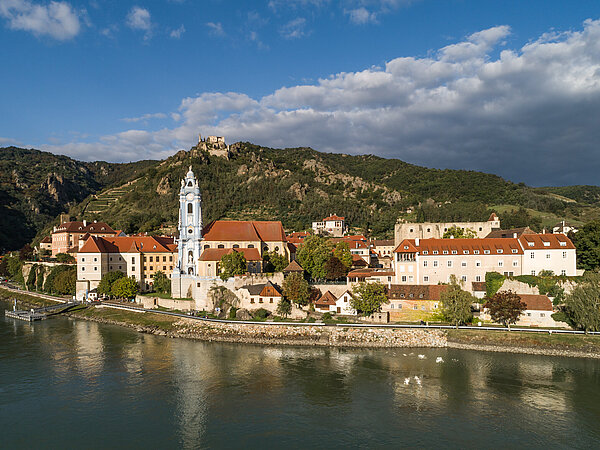
DÜRNSTEIN
The picturesque town of Dürnstein in the Wachau Valley is one of the most beautiful places along the Danube Cycle Path. The town’s landmark is the famous blue tower of the Dürnstein Abbey Church, which dominates the skyline. The historic old town with its narrow streets, small shops, and cozy restaurants invites visitors to stroll and explore. Above the town stands the ruins of Dürnstein Castle, where England’s King Richard the Lionheart was once imprisoned. The unique location between the Danube, vineyards, and rocky hills makes Dürnstein a popular excursion destination. Cyclists especially appreciate the charming atmosphere of the Wachau region.
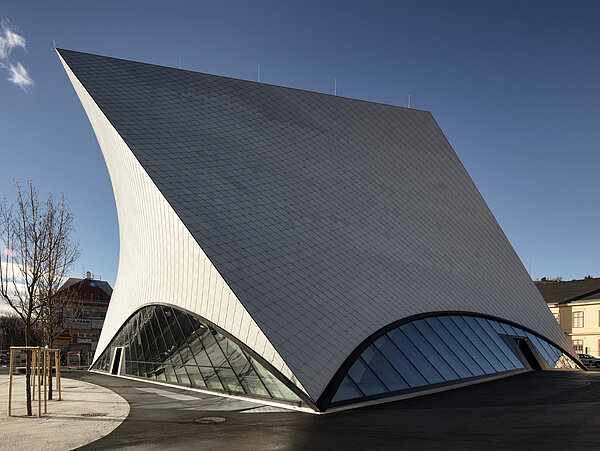
ART MILE KREMS
The Krems Art Mile is one of the most important cultural centers in Lower Austria. Along a distance of about one mile, museums, galleries, and cultural institutions are located side by side. Visitors can experience various forms of contemporary art in a historic setting. Key institutions include the Kunsthalle Krems, the Caricature Museum, and several exhibition spaces for modern art. Numerous festivals, concerts, and cultural events are also held here. For culture enthusiasts, Krems is an exciting stop during a cycling trip along the Danube.
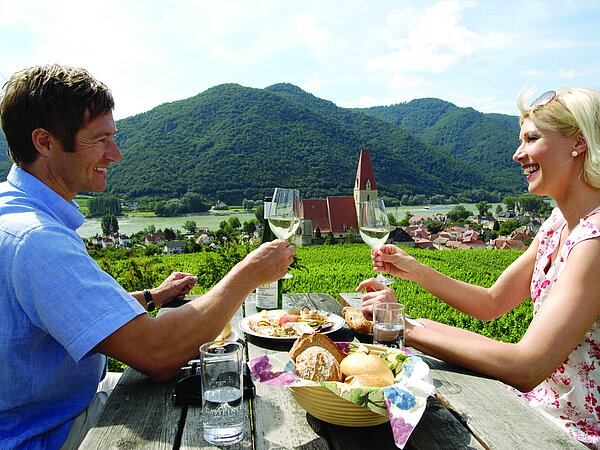
THIS YEAR'S VISIT
in the Wachau
A visit to a Heuriger wine tavern in the Wachau Valley is one of the most enjoyable experiences along the Danube Cycle Path. In Austria, a “Heuriger” refers to a traditional wine tavern where regional wines are served. The Wachau is particularly famous for its high-quality white wines such as Grüner Veltliner and Riesling. In a relaxed atmosphere, guests enjoy local specialties and homemade delicacies. The Heurigen calendar shows which winery is currently open to visitors. A visit to a Heuriger combines culinary pleasure with authentic Austrian wine culture.
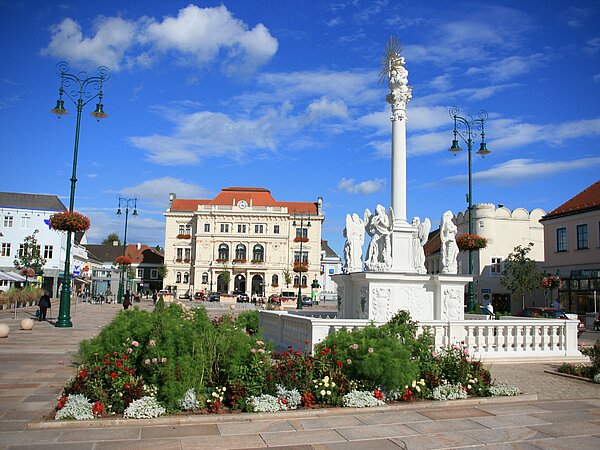
GARDEN CITY TULLN
The Garden City of Tulln is a paradise for garden and nature lovers. On more than 550,000 square meters, visitors can experience beautifully designed gardens and green spaces in the heart of the city. Numerous themed gardens invite visitors to explore plants and nature with all their senses. Tulln is particularly well known for the project “Natur im Garten” (Nature in the Garden), which promotes ecological gardening. In 2009, Tulln became Austria’s first “Nature in the Garden” city. Its beautifully maintained parks make it a refreshing green stop along the Danube Cycle Path.
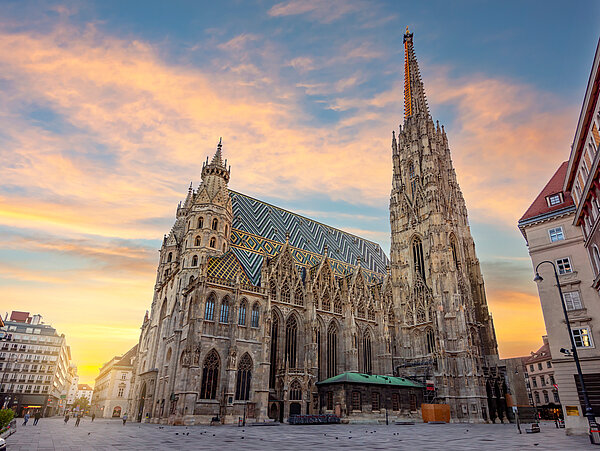
STEPHANSDOM
Vienna
St. Stephen’s Cathedral in Vienna is the most famous landmark of Austria’s capital. The Gothic cathedral is one of the most important buildings in Europe and the country’s most significant religious monument. With a length of over 107 meters and four towers, it dominates Vienna’s historic cityscape. The cathedral is particularly famous for the Pummerin bell, the second-largest free-swinging church bell in Europe. Visitors can climb the south tower and enjoy an impressive view over Vienna. For cyclists along the Danube, the cathedral is an essential cultural highlight.
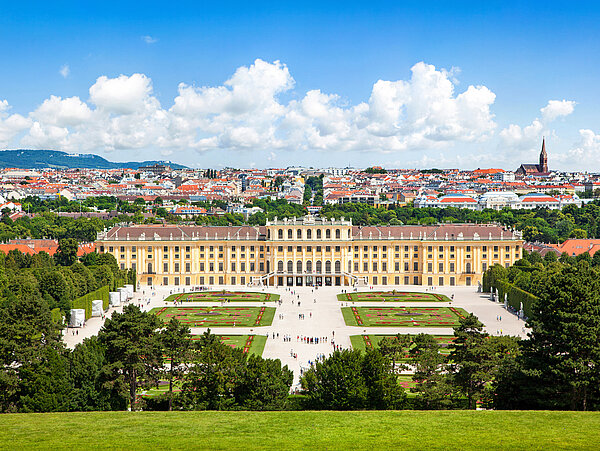
SCHÖNBRUNN PALACE
Vienna
Schönbrunn Palace is one of Austria’s most famous attractions and a major UNESCO World Heritage Site. The former summer residence of the Habsburg dynasty impresses visitors with its magnificent imperial rooms and expansive palace gardens. Historical figures such as Empress Maria Theresa, Emperor Franz Joseph, and Empress Elisabeth (Sisi) once lived here. Visitors can tour the historic state rooms and stroll through the beautiful Baroque gardens. Popular attractions include the Gloriette, Schönbrunn Zoo, and the palace gardens. Schönbrunn is considered one of the most beautiful Baroque palace complexes in Europe.
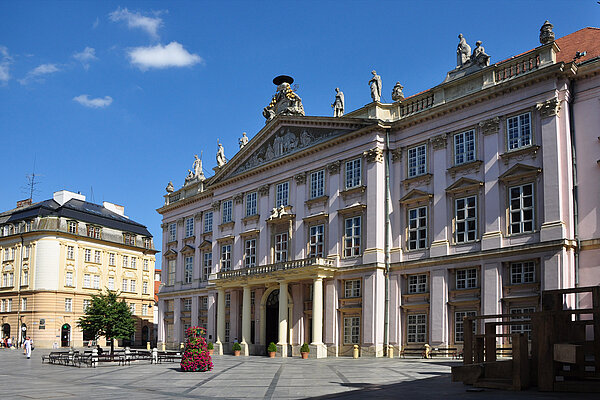
Primate Palace
Bratislava
The Primate’s Palace in Bratislava is one of the most important historic buildings in the Slovak capital. Built between 1778 and 1781, the magnificent palace impresses visitors with its strict neoclassical façade. The palace is particularly famous for its splendid Hall of Mirrors, where the Peace of Pressburg between France and Austria was signed on December 26, 1805. Today, the Primate’s Palace serves as the official residence of the Mayor of Bratislava. The historic Hall of Mirrors is also used for concerts and cultural events. Inside the palace, visitors can admire valuable works of art and famous 17th-century English tapestries. The palace is therefore one of the most important attractions in Bratislava’s Old Town.
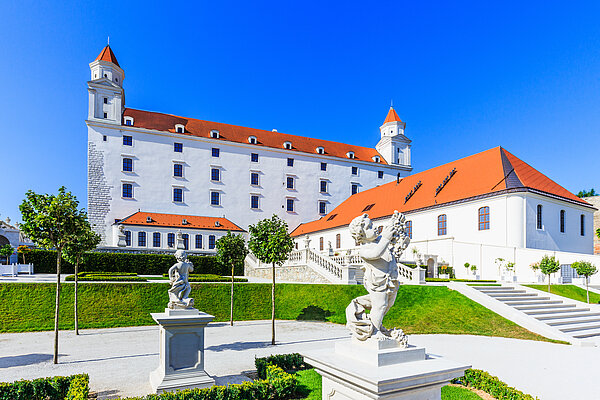
Bratislava Castle
Bratislava Castle is one of the most important landmarks of the Slovak capital and dominates the skyline above the Danube. It stands west of the Old Town on an 85-meter-high hill overlooking the river. As early as the Middle Ages, the castle served as an important strategic fortress. During the reign of Maria Theresa, it functioned as a residence within the Hungarian part of the Habsburg monarchy. After a devastating fire in 1811, the castle remained in ruins for many years. It was rebuilt in its original form in the 20th century. Today, the castle houses a museum and is also used for official events and exhibitions.
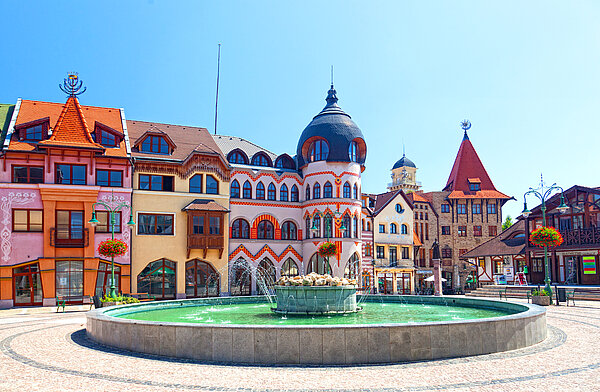
Europe Square
Europe Square (Nádvorie Európy) in Komárno is one of the city’s most famous attractions and a unique architectural project in Slovakia. The square was built between 1999 and 2000 and symbolizes the cultural diversity of Europe. A total of 50 buildings surround the square, each representing a different European country. The architecture of the houses reflects the typical style of the respective nation. This creates an extraordinary ensemble of various European architectural traditions in one place. Visitors can stroll through the square as if walking through Europe itself. Europe Square is a popular meeting place and cultural highlight in Komárno.
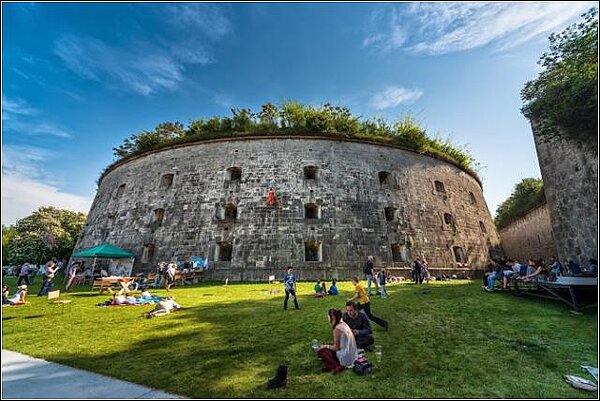
Monostor Fortress
The Monostor Fortress in Komárom is the largest modern fortress in Central Europe and an impressive historical military structure. It was built between 1850 and 1871 in the style of classicism and served as part of the Habsburg Empire’s defense system. Its massive walls made of precisely cut stone still demonstrate the strength of its military architecture. The fortress is part of a large defensive system along the Danube. Because of its historical significance, it has been included on the UNESCO World Heritage tentative list. Visitors can explore the extensive casemates, courtyards, and defensive structures. Today, the fortress is one of the most important attractions in the Komárom region.