
Adige cycle path
Cycling from South Tyrol to Verona
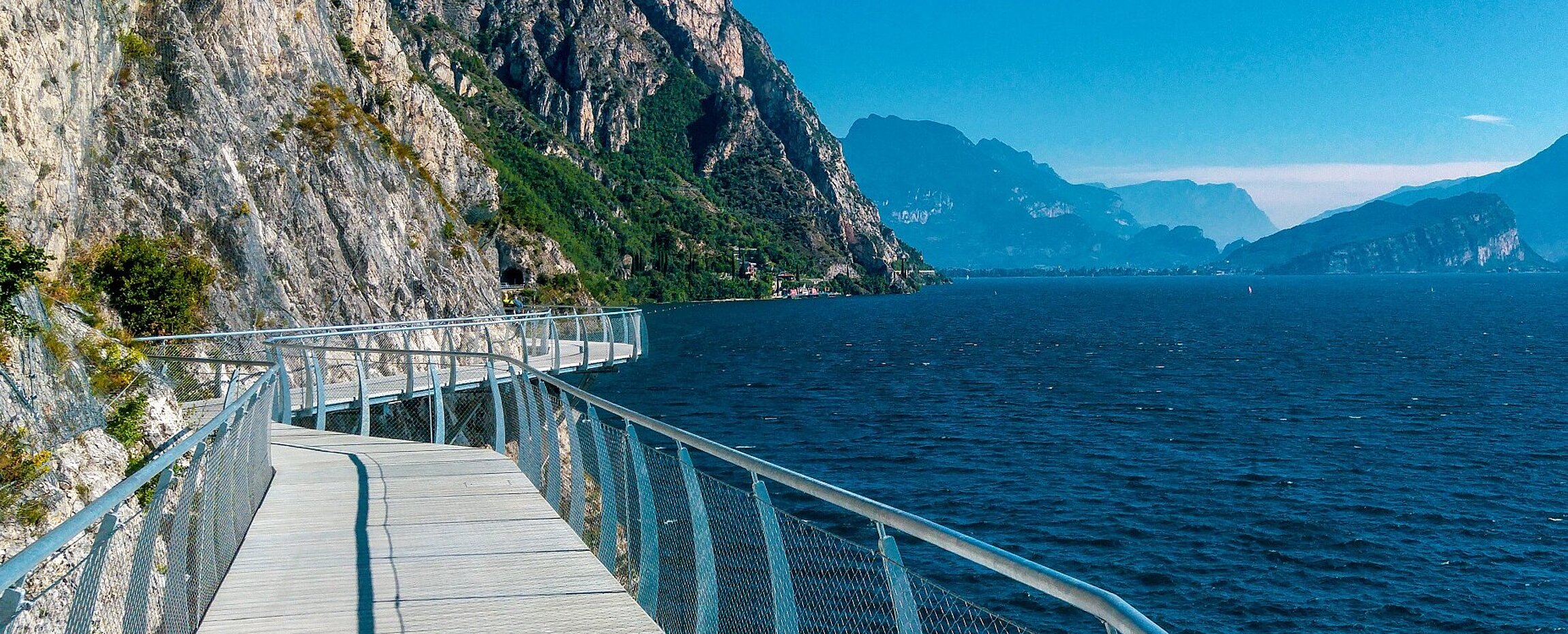
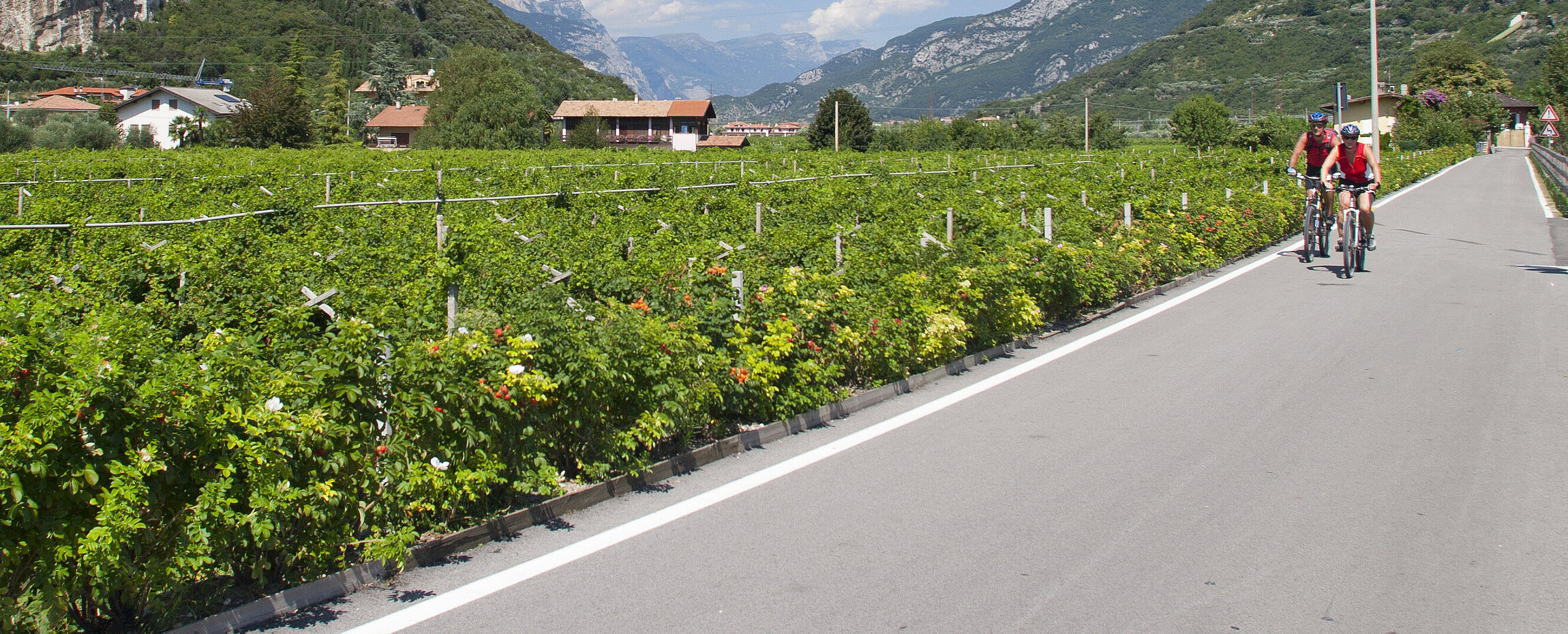
The Adige Cycle Path is one of the most popular cycling routes in Italy, combining alpine landscapes, Mediterranean charm and fascinating cultural highlights. Starting in South Tyrol, the route follows well-maintained bike paths through Merano, Bolzano and Trento before reaching Lake Garda and continuing to the historic city of Verona. Cyclists travel through a varied landscape of orchards, vineyards, medieval towns and impressive mountain scenery. Thanks to its gentle route profile and many traffic-free sections, the Adige Cycle Path is ideal for leisure cyclists, families and beginners. Along the way, charming villages, regional cuisine and cultural attractions invite visitors to take relaxing breaks. Each stage offers new impressions, from riding through apple orchards to enjoying panoramic views of the Alps. The route perfectly combines nature, culture and culinary experiences, making it one of the most enjoyable cycling holidays in northern Italy.
➡ HERE are the most popular sights ⬅
TOP sights along the Adige cycle path
CULINARY PARADISE
South Tyrol
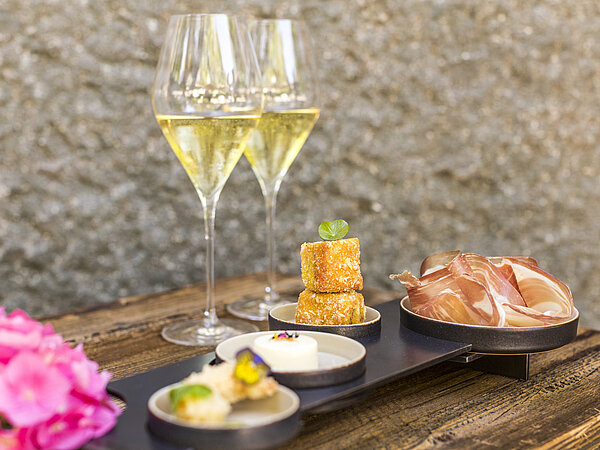
Here the milk still comes from the mountain farmer. The farmer's wife lovingly tends the vegetable garden and collects the eggs from her free-range hens. Clean air, fresh spring water and a mild climate are the first prerequisites for farmers to produce unique products. Carefully cultivated and carefully developed traditions are an important ingredient. A love of home-style cooking and a dash of southern joie de vivre take care of the rest. The result is dishes that always give you a flavour of nature. South Tyrol has long been on the way to becoming a land of culinary delights, appreciated by gourmets and wine connoisseurs alike. Along the Adige Cycle Path, cyclists always have the opportunity to make a detour to local producers to enjoy South Tyrolean quality products such as wine, speck and apples.
SUNKEN TOWER
in Lake Reschen
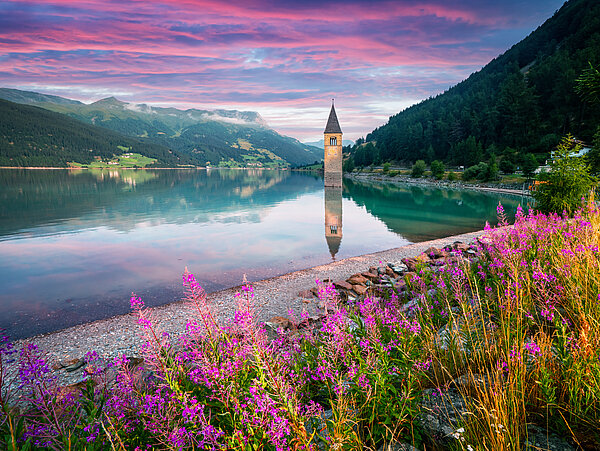
The sunken bell tower in Lake Resia is one of the most famous landmarks of the Vinschgau Valley and a unique sight along the Adige Cycle Path. Rising from the clear waters of the six-kilometre-long lake, the historic church tower stands as a reminder of the former village of Graun. The settlement was flooded in the 1950s when the reservoir was created. Surrounded by the impressive mountain scenery of the Langtauferer Valley, the lonely tower creates a particularly mysterious atmosphere. Today the structure is protected as a historical monument and attracts visitors from all over the world. Cyclists often stop here to take photos and enjoy the spectacular view. The sunken tower has become one of the most memorable highlights at the beginning of a cycling journey through the Vinschgau region.
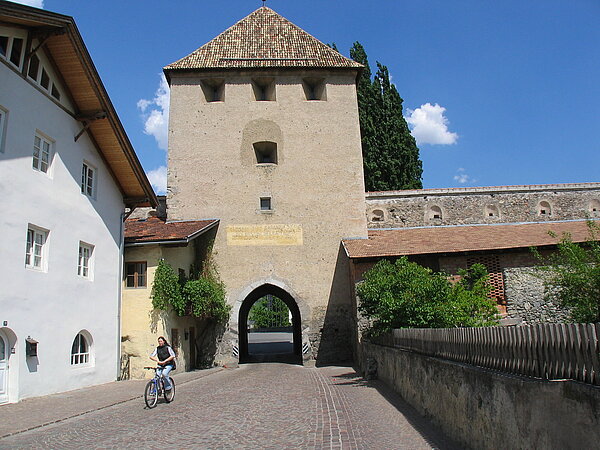
MEDIEVAL TOWN
Glorenza
Glurns is known as the smallest town in South Tyrol and captivates visitors with its remarkably well-preserved medieval character. The historic centre is completely surrounded by a fortified city wall with towers and gates. Narrow streets, small squares and historic houses create a unique atmosphere that reflects centuries of history. Wooden bridges and carefully restored stone buildings add to the town’s authentic charm. Glurns is located at about 907 metres above sea level in the Vinschgau Valley at the entrance to the Münstertal Valley. For cyclists travelling along the Adige Cycle Path, the town is a perfect place to take a break. Small cafés and shops invite visitors to enjoy a relaxing stop in a historic setting.
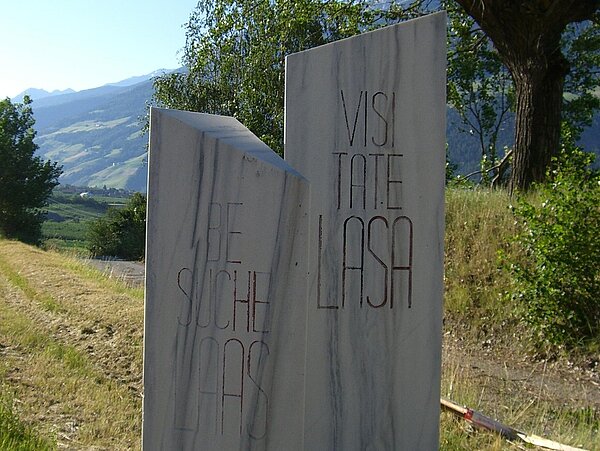
MARBLE VILLAGE LAAS
The village of Laas in the Vinschgau Valley is internationally famous for its high-quality white Laas marble. This valuable natural stone has been used for centuries in important buildings and sculptures. Surrounded by apple orchards and sunny landscapes, the village enjoys a particularly favourable climate. Marble has shaped the architecture and character of the town for generations. Visitors can learn more about the extraction and processing of the stone, which continues to play an important role in the region. Laas is also a pleasant place for cyclists to pause during a stage of their journey. Charming cafés and local restaurants offer regional specialties and relaxing rest stops.
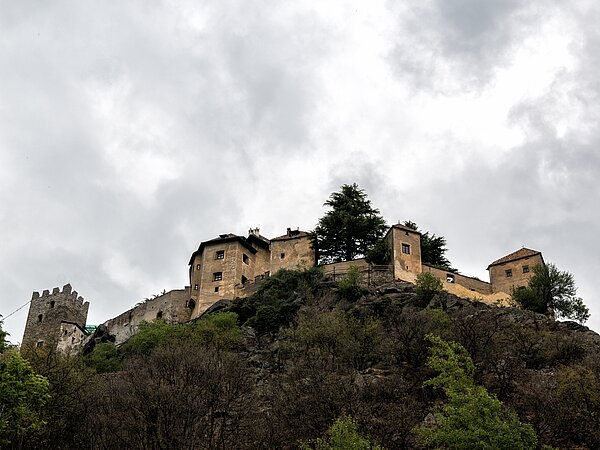
SCHLOSS JUVAL
of Reinhold Messner
Juval Castle sits on a hill at the entrance to the Schnalstal Valley and is one of the most impressive castles in South Tyrol. The medieval fortress was built in the 13th century and has a long and fascinating history. Today it is best known as the summer residence of the legendary mountaineer Reinhold Messner. The castle houses one of the Messner Mountain Museums dedicated to mountain culture and the history of mountaineering. Around the castle, Messner also runs a mountain animal park and a small agricultural estate with vineyards. From the hilltop location visitors can enjoy panoramic views across the Vinschgau Valley. Cyclists often stop here to relax at the traditional Schlosswirt Juval inn.
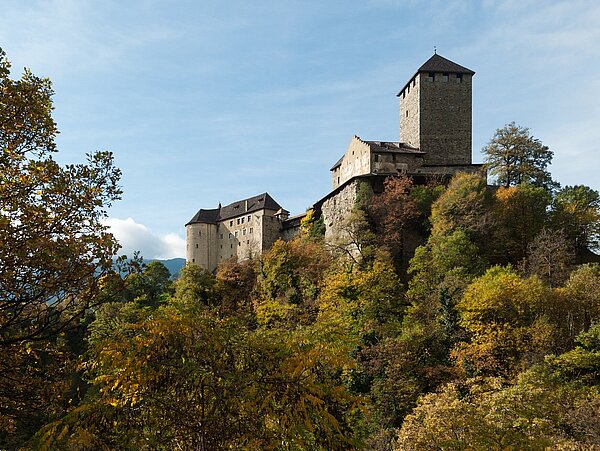
SIGMUNDSKRON CASTLE
with Reinhold Messner Museum
Sigmundskron Castle stands on a rocky hill near Bolzano and is one of the largest castle complexes in South Tyrol. The impressive fortress dominates the area where the Eisack River meets the Adige Valley. Today the castle houses the Messner Mountain Museum Firmian, which explores the history and cultural significance of mountaineering. Modern exhibition elements are integrated into the historic fortress walls, creating a unique museum experience. Visitors learn about humanity’s relationship with mountains and alpine exploration. The site also offers spectacular views of Bolzano and the surrounding vineyards. For cyclists along the Adige Cycle Path, Sigmundskron Castle is an inspiring cultural highlight.
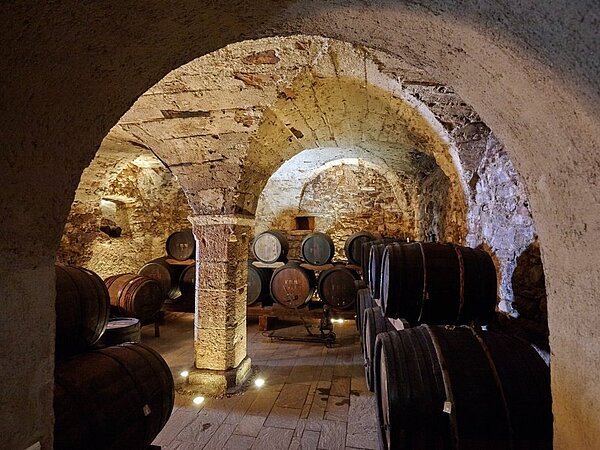
SOUTH TYROLEAN WINE MUSEUM
in Kaltern
The South Tyrol Wine Museum in Kaltern is dedicated to the long tradition of winemaking in the region. Kaltern is considered one of the oldest wine-growing areas in the German-speaking world. Today the museum is located in the historic building of the former Di Pauli winery in the centre of the village. Visitors can explore the development of wine production and traditional winemaking methods. Historical tools, presses and cellars illustrate the region’s centuries-old wine culture. Particularly impressive is the cross-vaulted ceiling from 1693 in the traditional wine room. The museum offers cyclists an enjoyable stop with insights into local culture and wine traditions.
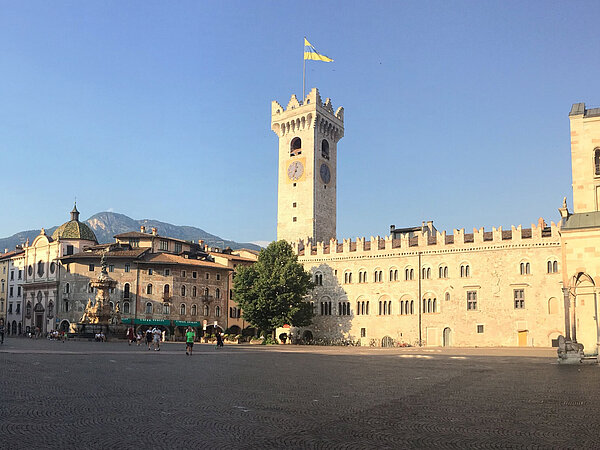
OLD TOWN OF TRENTO
with cathedral square
The historic centre of Trento combines Roman heritage with medieval streets and elegant Renaissance palaces. Walking through the old town reveals numerous archaeological remains from Roman times. Many buildings feature beautifully decorated frescoed façades that add colour and character to the city. The route through the town leads from the impressive Castello del Buonconsiglio to the lively Cathedral Square. Here stands the Cathedral of San Vigilio, one of the most important landmarks of the city. Cafés and restaurants around the square invite visitors to relax and enjoy the atmosphere. For cyclists travelling the Adige Cycle Path, Trento is one of the cultural highlights of the journey.
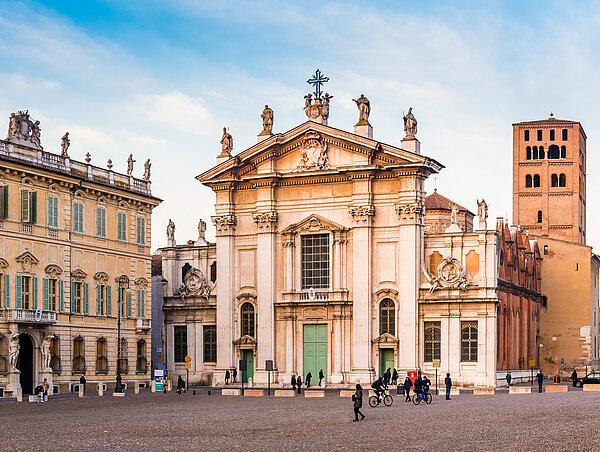
CATHEDRAL OF MANTUA
Mantua Cathedral is one of the most important buildings in the historic centre of Mantua, a UNESCO World Heritage Site. The impressive five-aisled basilica dates back to the 9th century. In the 16th century the interior was redesigned by architect Giulio Romano based on early Christian architectural models. Elegant columns and the spacious interior create a striking visual impression. The current façade was completed in 1756. Next to the cathedral stands a Romanesque bell tower that forms part of the city’s distinctive skyline. The cathedral is an important cultural attraction for visitors exploring northern Italy.
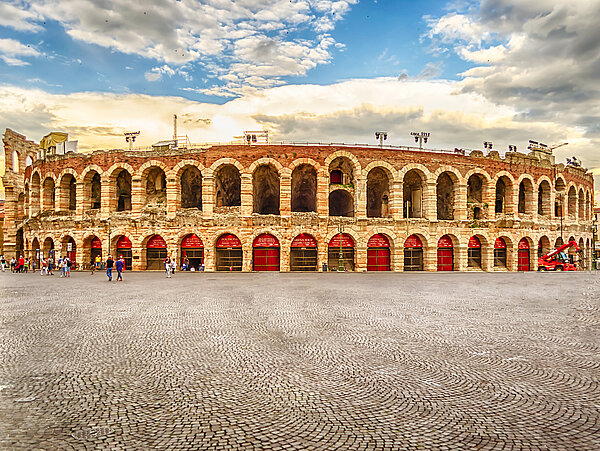
ROMAN AMPHITHEATRE
in Verona
The Arena of Verona is one of the most impressive Roman monuments in Italy and a highlight of the Adige Cycle Path. After the Colosseum in Rome and the amphitheatre in Capua, it is the third largest surviving Roman arena. The monumental structure measures around 140 metres in length and 110 metres in width. Since ancient times it has served as a venue for public performances and events. Today the arena is famous for its summer opera festival and outstanding acoustics. Located at Piazza Brà, it dominates the heart of Verona’s historic centre. For many cyclists, visiting the arena marks the grand finale of a cycling journey along the Adige River.