
Cycling Holidays on the Elbe Cycle Path
From Prague to Dresden along the Elbe
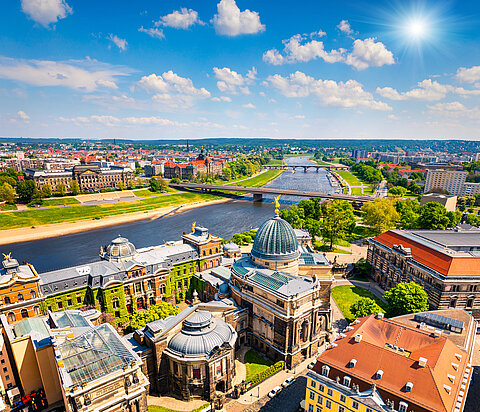
The Elbe Cycle Path is one of the most popular cycling routes in Europe, combining impressive natural scenery with rich cultural highlights. The route leads from the historic city of Prague through the picturesque landscapes of Bohemia to Dresden, following the Elbe River through diverse and scenic countryside. Cyclists pass charming towns, peaceful river landscapes and the striking rock formations of Saxon Switzerland.
The well-developed and clearly signposted cycling paths are ideal for relaxed bike tours with moderate daily stages. With convenient organization including luggage transport and carefully selected accommodations, the region can be explored comfortably and at a leisurely pace. A cycling holiday along the Elbe combines activity, culture and nature into an unforgettable travel experience.
Impressions from one of our Customers
Video from Mr. Ecklbauer from Austria
Top Elbe-Cycling Vacations from our Trauni's Radferien Catalogue
Elbe-Radweg Dresden bis Magdeburg Kategorie A
Elbe-Radweg Dresden bis Magdeburg Kategorie B
An der Moldau und Elbe: Prag bis Dresden
Top-Distance bike route from our Trauni's Radferien Catalogue
Best Things to see on the Elbe-Cycling Path
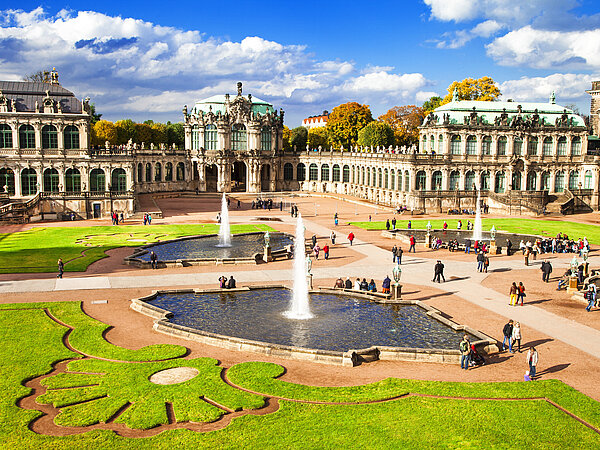
ZWINGER DRESDEN
The Zwinger is one of the most famous landmarks in Dresden and a masterpiece of Baroque architecture. Built between 1710 and 1722 under the rule of Augustus the Strong, the complex was designed by architects Matthäus Daniel Pöppelmann and Balthasar Permoser. During World War II the building was heavily damaged, but reconstruction was completed in 1964. Today the Zwinger houses several renowned museums and art collections. Visitors can admire impressive architecture and world-class artworks. The historic courtyard and elegant galleries make it one of the city’s most popular attractions. The Zwinger remains an important cultural highlight in Dresden.
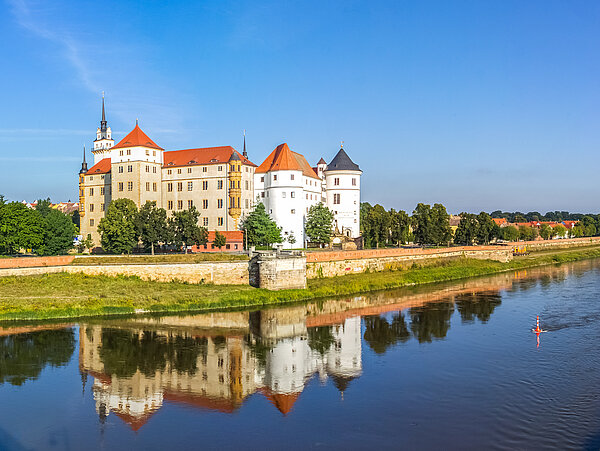
HARTENFELS CASTLE
in Torgau
Hartenfels Castle in Torgau is considered one of the most important Renaissance buildings in Germany. The impressive residence once served as a seat of the Saxon electors and played a significant role during the Reformation period. Inside the castle visitors find museums, memorial sites and exhibitions focusing on art and cultural history. A special architectural feature is the large spiral staircase in the courtyard. The castle is beautifully located along the Elbe River and offers scenic views of the surrounding area. After exploring the historic rooms, many visitors enjoy a relaxing break at the castle café.
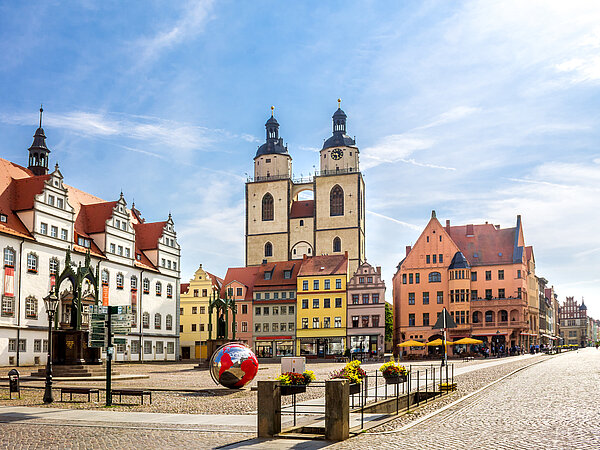
LUTHERSTADT
Wittenberg
Wittenberg gained international importance in the 16th century as the center of the Protestant Reformation. It was here that Martin Luther published his theses and influenced European history. The historic old town contains many important buildings from different periods. Among the most famous landmarks are St. Mary’s Church, All Saints’ Church, the Luther House and the Melanchthon House. These sites are part of the UNESCO World Heritage list. Walking through the old town offers a fascinating journey through history. Museums and historic squares provide insight into the cultural significance of the city.
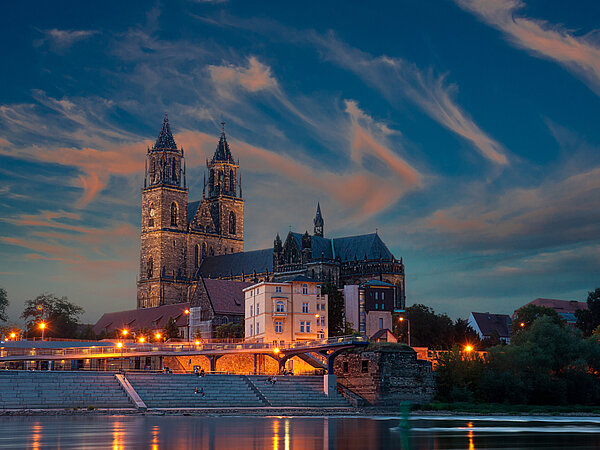
MAGDEBURG CATHEDRAL
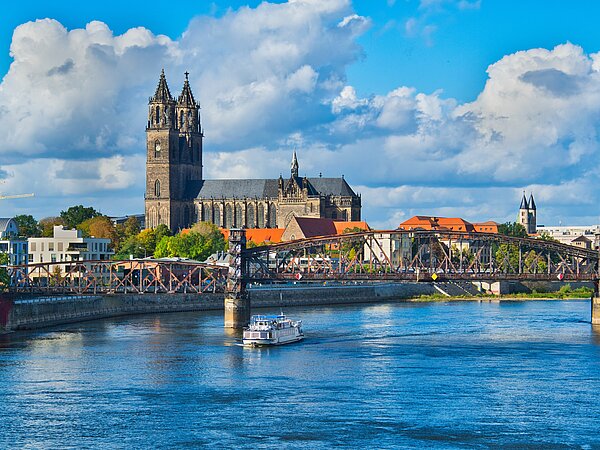
Magdeburg Cathedral is the most prominent landmark of the city and can be seen from far away. It is considered the oldest Gothic cathedral in Germany. Construction began in 1209 and continued for several centuries until the final completion in 1520. The cathedral was built as the burial church of Emperor Otto the Great. Inside, visitors can admire impressive sculptures and historic artworks. The two towering spires dominate the skyline of Magdeburg. Standing on elevated ground above the Elbe River, the cathedral creates an especially impressive architectural presence.
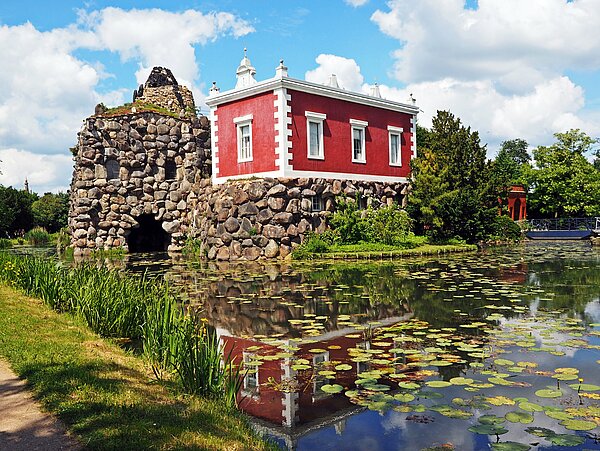
WÖRLITZ GARDEN REALM
The Wörlitz Garden Realm is a unique cultural landscape and has been a UNESCO World Heritage Site since 2000. The park was created in the 18th century under Prince Leopold III of Anhalt-Dessau. The design combines nature, architecture and landscape in a harmonious way. Today the area includes numerous gardens, lakes, bridges and historic buildings. Visitors can explore the large park by walking or cycling along the well-designed paths. The scenery features elegant pavilions, waterways and impressive viewpoints. The garden realm is considered one of the finest examples of an English landscape garden in Europe.
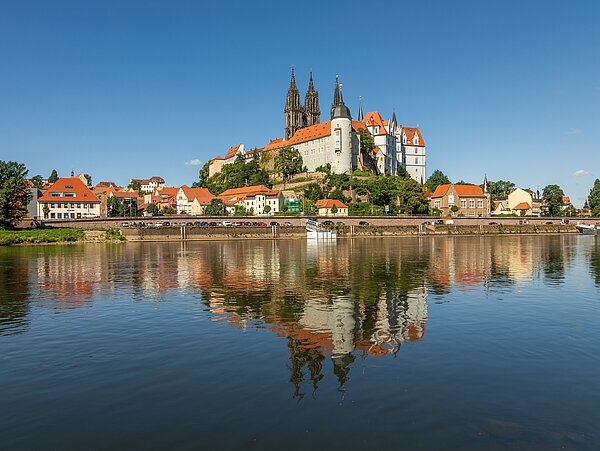
ALBRECHTSBURG MEISSEN
Albrechtsburg Castle in Meissen is one of the oldest palace buildings in Germany. Originally founded in the 10th century, it was transformed into a late Gothic residential castle in the 15th century. The building marks the transition from a medieval fortress to a representative palace. Together with Prague Castle it is considered one of the earliest examples of this architectural development in the German-speaking world. Located high above the Elbe River, the castle offers spectacular views over the town of Meissen. Today exhibitions inside the castle present the history of the building and the region. The architecture and historical significance make it a remarkable cultural monument.
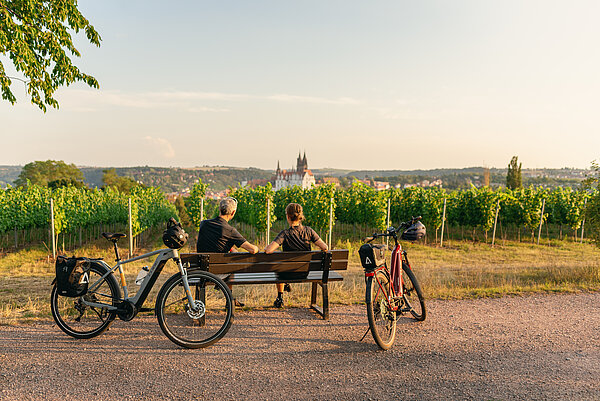
Saxon Elbe Wine Region
from Pirna to Diesbar-Seusslitz
The Saxon Elbe region between Pirna and Diesbar-Seußlitz is one of the smallest but most traditional wine regions in Germany. Vineyards along the river shape the landscape and create a unique atmosphere. Many local wineries operate small seasonal taverns where visitors can taste regional wines. In Dresden there are also several charming wine bars located directly along the river. The combination of vineyards, historic towns and scenic river views makes the region very attractive. Walking or cycling through the area offers beautiful viewpoints and picturesque villages. It is a perfect place to combine nature, culture and culinary experiences.
MÜCKENWIRT
in Magdeburg
The Mückenwirt is a well-known restaurant in Magdeburg and a popular meeting place for locals and visitors. The menu offers a wide range of regional and international dishes. Guests can choose from various beers as well as a selection of quality wines. The relaxed atmosphere makes it a pleasant place to enjoy a meal. Many visitors stop here after exploring the city or the surrounding area. The restaurant combines traditional cuisine with modern influences. Its welcoming setting makes it ideal for a leisurely dining experience.
KORNHAUS
in Dessau
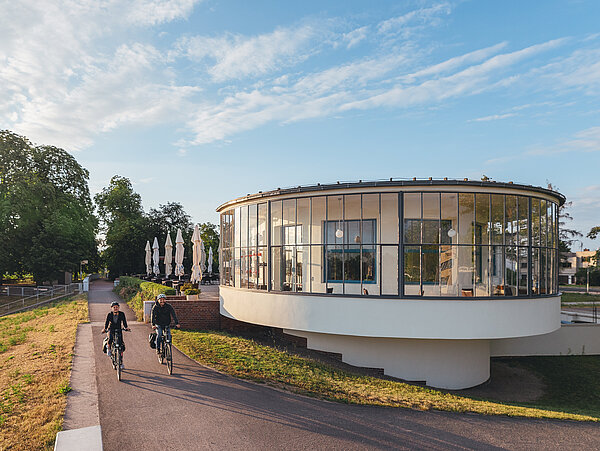
The Kornhaus in Dessau is a well-known Bauhaus building constructed between 1929 and 1930. It was designed by architect Carl Fieger, a member of the Bauhaus movement. The building combines a glazed circular structure with a rectangular volume, reflecting functionalist design principles. Its architecture was carefully adapted to its location along the Elbe River. Today the Kornhaus houses a restaurant with a spacious terrace and beer garden. Guests can enjoy German and Mediterranean dishes as well as coffee and desserts. The unique architecture and riverside setting make it a special place to visit.
NATIONAL PARK CENTER
in Bad Schandau
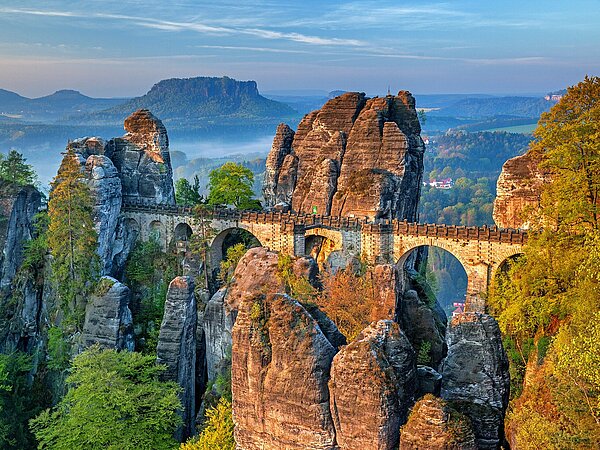
The National Park Center in Bad Schandau offers fascinating insights into the natural landscape of Saxon Switzerland. Modern exhibitions present information about the region’s geology, wildlife and ecosystems. Visitors learn about the importance of protecting this unique natural environment. Interactive displays make the experience especially engaging for all age groups. The center also hosts events and educational programs related to nature conservation. It serves as an important starting point for exploring the surrounding national park. From here, visitors can plan excursions into the impressive sandstone rock formations and scenic valleys.